Introduction to AI in Job Applications
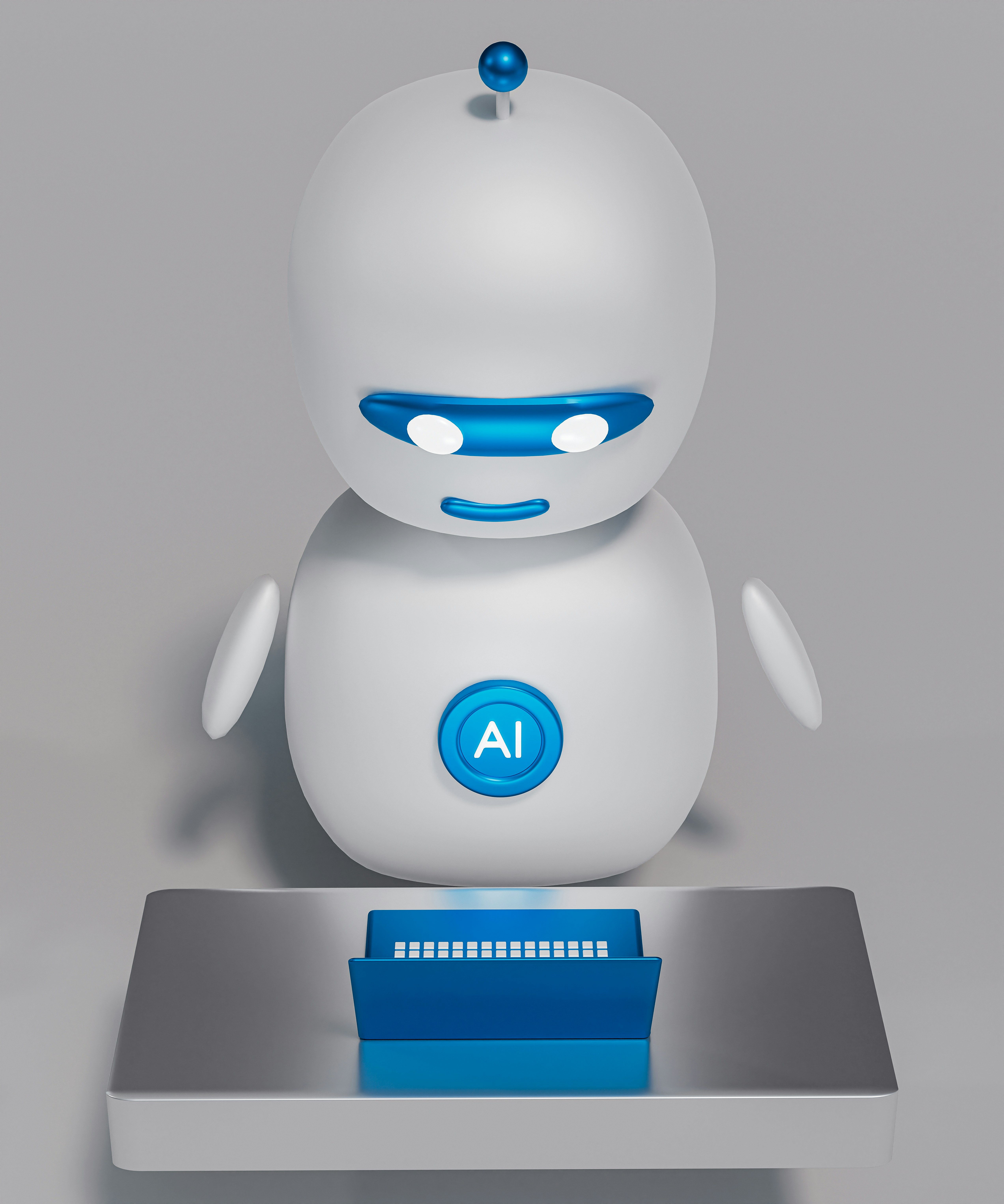
In recent years, the integration of artificial intelligence (AI) into the job application process has become increasingly prevalent. AI technologies are being employed in various stages of hiring, fundamentally altering how candidates present themselves and how employers sift through applications. From AI-powered resume builders to sophisticated application optimization software, job seekers now have access to tools that enhance their chances of securing employment.
AI-driven resume builders allow users to create tailored resumes that align with specific job descriptions. These tools analyze language, format, and keyword usage to ensure that applications pass through Applicant Tracking Systems (ATS) effectively. As many companies utilize ATS to filter out candidates, understanding how AI impacts resume formatting is crucial for job seekers who aim to make lasting impressions.
Furthermore, optimization software leverages AI algorithms to provide feedback on applications, suggesting improvements based on industry standards and trends. This technology can guide users in enhancing their skills profiles and tailoring their experience to better match employer needs. By integrating AI into their job applications, candidates can not only present themselves more competitively but also gain valuable insights into what employers seek.
The growing reliance on AI in hiring practices raises important ethical considerations. As employers adopt these technological solutions to streamline their processes, there is an ongoing debate about the potential biases inherent in AI algorithms and the limitations they may impose on the diversity of applicants. This integration of AI within recruitment practices creates a complex interplay between efficiency, accessibility, and fairness, necessitating a thorough exploration of both the benefits and challenges associated with this transformation.
Pros and Cons of Using AI for Job Applications
The integration of artificial intelligence (AI) into job applications represents a significant shift in the recruitment landscape. On one hand, the advantages of utilizing AI for job applications include increased efficiency, enhanced personalization, and improved chances of securing an interview. AI can swiftly analyze candidate resumes and match them against job descriptions, thereby streamlining the initial screening process. This efficiency not only saves time for recruiters but also allows candidates to receive quicker feedback regarding their application status.
Furthermore, AI tools can be programmed to personalize job recommendations based on a candidate’s skills, experiences, and preferences, making the application process more tailored and relevant. This personalized approach may lead to better alignment between candidates and job roles, which can ultimately enhance candidate satisfaction and engagement with the recruitment process.
However, the deployment of AI in job applications can also present notable drawbacks. One significant concern is the potential lack of authenticity; candidates may feel compelled to craft their responses based on how the AI interprets data rather than conveying their true selves. This shift can lead to a homogenization of applicant profiles, where individuality is overshadowed by algorithmic preferences.
Moreover, over-reliance on AI technology could result in the overlooking of exceptional candidates who may not respond well to mechanized evaluations. There is also the ethical dilemma of bias; AI systems are only as good as the data they are trained on, and if that data contains biases, it could result in unfair treatment of certain candidates. Employers must remain vigilant to ensure their use of AI enhances, rather than diminishes, the recruitment process. Assessing the balance between technological efficiency and the human touch is crucial as organizations navigate this evolving landscape.
Employer Opinions on AI-Created Applications
The growing adoption of artificial intelligence in the recruitment process has generated a spectrum of opinions among employers, particularly in relation to AI-assisted job applications. Human Resources (HR) professionals and recruiters are increasingly engaging with technology to enhance their hiring practices. However, this engagement raises pertinent questions about the credibility of applications that involve AI tools, as employers grapple with the implications of technology-assisted processes.
Many HR professionals appreciate the efficiencies brought about by AI. They recognize that AI tools can streamline the application process, allowing candidates to highlight their qualifications with clarity and relevance. However, concerns arise regarding the authenticity of such applications. Recruiters often ponder whether an AI-optimized application truly reflects a candidate’s capabilities or if it merely presents a polished version crafted by technology. This distinction becomes crucial in assessing the significance and reliability of the information provided in these applications.
Furthermore, the debate extends to the ethical dimensions of AI use in job applications. Some employers view the utilization of AI-generated content as a legitimate augmentation of the application process, while others perceive it as potential deception or an unfair advantage. These varied stances often align with the organization’s values—those prioritizing innovation may welcome AI assistance, while more traditional firms might uphold stringent standards regarding personal input in applications.
Ultimately, the interpretation of AI-assisted applications shifts based on the specific context and industry norms. As discussions around AI in recruitment evolve, employers continue to refine their guidelines on what constitutes acceptable use of these technologies, attempting to balance efficiency with integrity in the hiring process. The future of hiring may depend substantially on how employers navigate these complex ethical waters concerning AI’s role in shaping job applications.
The Ethical Debate: Cheating or Innovation?
The advent of artificial intelligence in the job application process has sparked a heated ethical debate among industry professionals, job seekers, and ethicists. Central to this discussion is the question of whether leveraging AI tools for job applications constitutes cheating or represents a natural advancement in recruitment practices. Proponents of AI in recruitment argue that these tools enhance efficiency, remove human biases, and democratize the hiring process. For instance, by utilizing AI algorithms that analyze skills and experience objectively, employers can potentially reduce discrimination that may arise from unconscious biases inherent in human recruiters.
Conversely, critics contend that reliance on AI can lead to a detached application process where applicants are reduced to data points. They argue that this transformation compromises the personal connection that traditionally defined the hiring process. Moreover, concerns have arisen regarding the accessibility of such technologies: not all applicants may have equal access to sophisticated AI tools, placing some job seekers at a disadvantage. These ethical dilemmas underscore the need for a balance between innovation and fairness in recruitment.
As discussions unfold, potential regulatory frameworks may emerge to guide the ethical use of AI in hiring. For example, transparency in how AI systems evaluate candidates could be mandated, ensuring that applicants understand how their data is being used. Additionally, safeguards against algorithmic biases must be emphasized, as these biases can perpetuate existing inequalities in hiring practices. In the rapidly evolving job market, navigating the intersection of AI technology and ethics remains crucial.
In summary, the question of whether AI use in job applications is cheating or innovative is complex and multifaceted. As AI continues to evolve, so too must our understanding of its ethical implications and the values that underpin our hiring practices.